Magazine
Creating a Gallery Wall: The Complete Guide — from planning to perfect arrangement
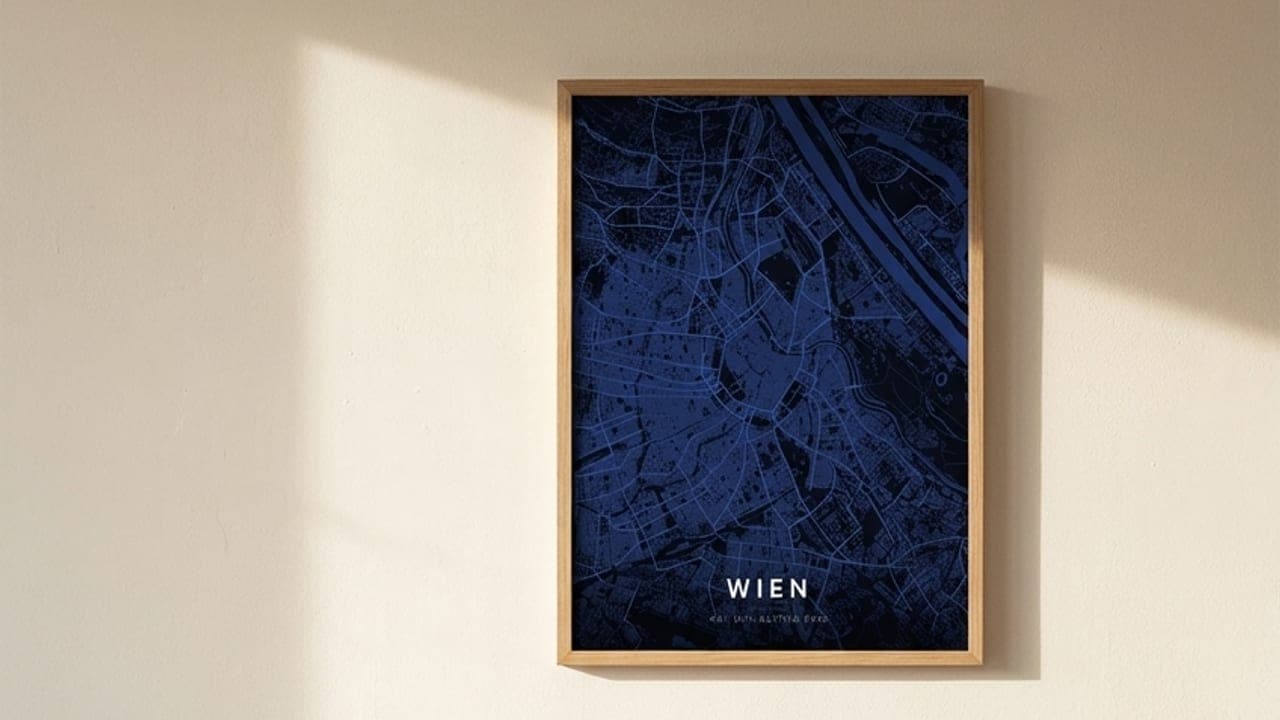
A gallery wall is no accident. Learn how to arrange pictures, map posters and prints so your wall becomes an expression of your personality — without the chaos.
A gallery wall is more than just a collection of pictures. It's a composition, an expression of your taste — and for many, the trickiest part of decorating a home. How do you hang multiple images without it looking chaotic? What spacing should you use? Which frames work together?
Don't worry. Creating a gallery wall is no secret. It's a craft — and it's one you can master. Here's how.
1. The Plan: Choose Your Centrepiece
Every successful gallery wall needs a focal point. This could be a large map poster, a treasured favourite piece, or an image that sets your colour palette. Everything else groups around this centrepiece.
Tip: Choose a map poster of a place that matters to you as your centrepiece — your hometown, a favourite holiday destination, where you met. It gives your whole wall a story.
2. The Arrangement: Symmetrical or Freeform?
There are two ways to create a gallery wall:
Symmetrical: Everything is precisely aligned, with equal spacing and matching frames. This feels calm, orderly, almost museum-like. Perfect for hallways, above sofas, or in dining rooms.
Freeform (organic): Images hang along an invisible axis, but with varying spacing and sizes. This feels livelier, more personal, more relaxed. Perfect for living rooms, bedrooms or home offices.
3. The Frame Rule: Unity in Variety
The simplest rule for a successful gallery wall: all frames in the same colour — but different sizes. This creates structure without feeling dull.
Tip: Black frames look modern and crisp, white frames let the images breathe, natural wood brings warmth. Choose one colour and stick with it.
4. Getting the Spacing Right
The golden spacing between images: 5 to 8 centimetres. For smaller formats (30×40 cm), 5 cm is enough; for larger ones (50×70 cm), 8 cm works well. Anything less looks cramped, anything more looks scattered.
5. The Height: Eye Level is No Myth
Hang your gallery wall's focal point at eye level — roughly 145 to 150 cm above the floor. Above a sofa, a different rule applies: the bottom edge of your images should sit about 15 to 20 cm above the sofa back.
6. The Selection: Mix Formats and Media
A gallery wall thrives on variety. Combine:
- One large map poster (61×91 cm) as an anchor
- Two to three medium formats (40×50 cm)
- Smaller formats or postcards (30×40 cm)
- Optional: a mirror, clock, or small shelf
Perfect for: Anyone who wants to create a personal, dynamic wall.
7. Test on the Floor, Hang on the Wall — and Don't Forget the Centrepiece
Before you drill: lay all your images on the floor. Play with the arrangement, swap positions, try different combinations. Once it works on the floor, transfer that arrangement to the wall.
What makes your gallery wall unique? That it tells your story. A personalised map poster from MapLove is the perfect centrepiece — it combines aesthetics with meaning. Your place, your style, your colours.
Conclusion: Your Gallery Wall is Your Stage
Creating a gallery wall takes time, patience and a bit of courage. But it's worth it: a wall that isn't just decorated, but tells the world who you are.
Start with your centrepiece: Create your personalised map poster for your gallery wall today.
Magazine
More stories
Planning Your Wedding: The Ultimate Checklist for Your Perfect Day
Your wedding awaits – and with it, a thousand questions. The ultimate wedding planning checklist: from venue to personalised map poster.
Read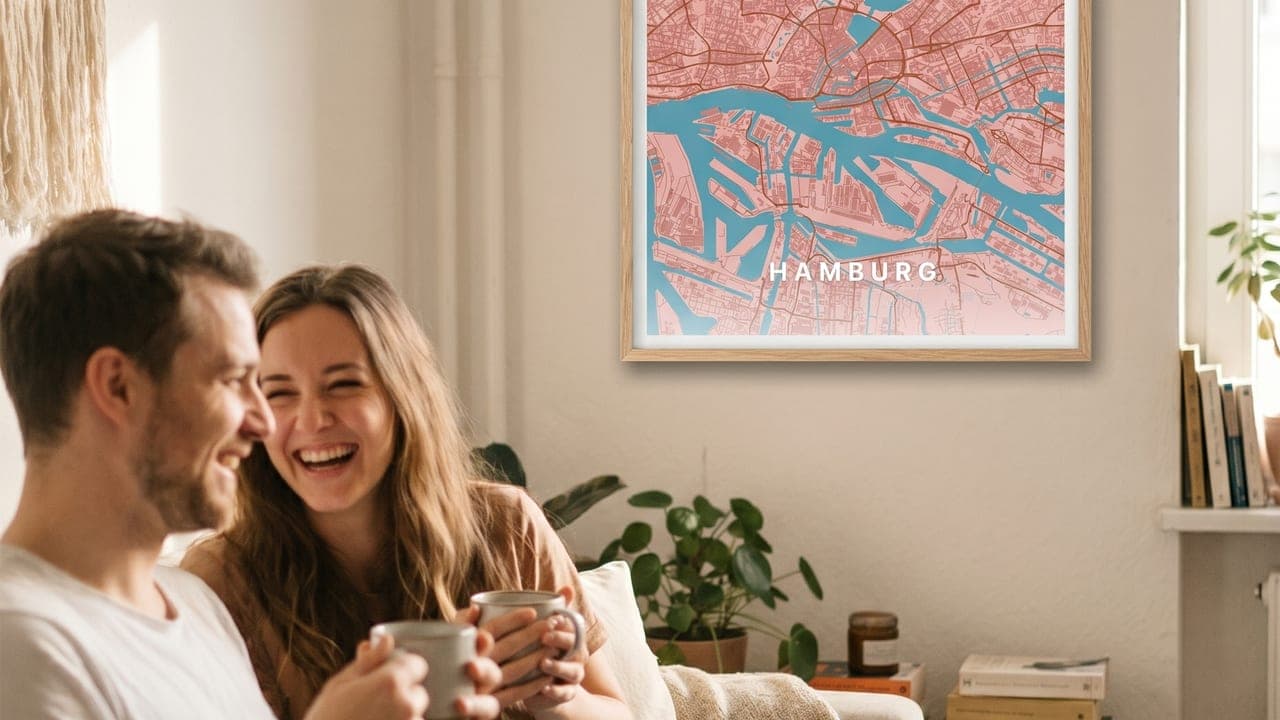
Anniversaries Reimagined: Why the Location of Your First Date Makes the Perfect Gift
Flowers wilt, chocolate melts. But the place where it all began lasts forever. Discover why a personalised map poster of your first date location is the most romantic and sustainable anniversary gift – and how to create it in minutes.
Read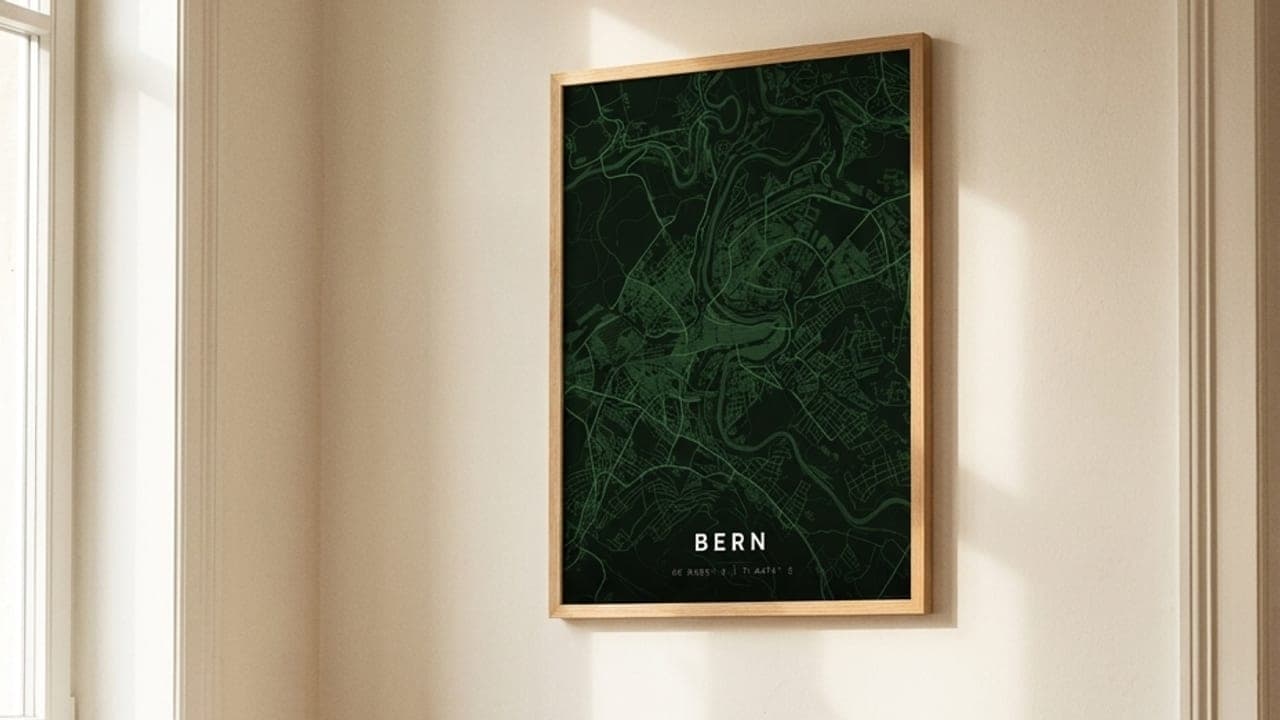
Living Room Wall Design: 8 Statements That Show Your Personality
Your living room is the calling card of your home. 8 ideas for wall design that tell the story of who you are – with map posters as the centrepiece.
ReadHow your poster comes to life
From the memory to the handover.
Four small steps — a story you hand over with the gift.
Pick the place
Search for the spot that matters — the address of your first apartment, the mountain of your proposal, the corner café.
Refine the style
Theme, colours, typography and size. Every map becomes an original that fits your wall and your moment.
Print & ship
Printed on silk-finish poster paper in the EU, packed securely and shipped to you — or straight to the recipient.
The handover
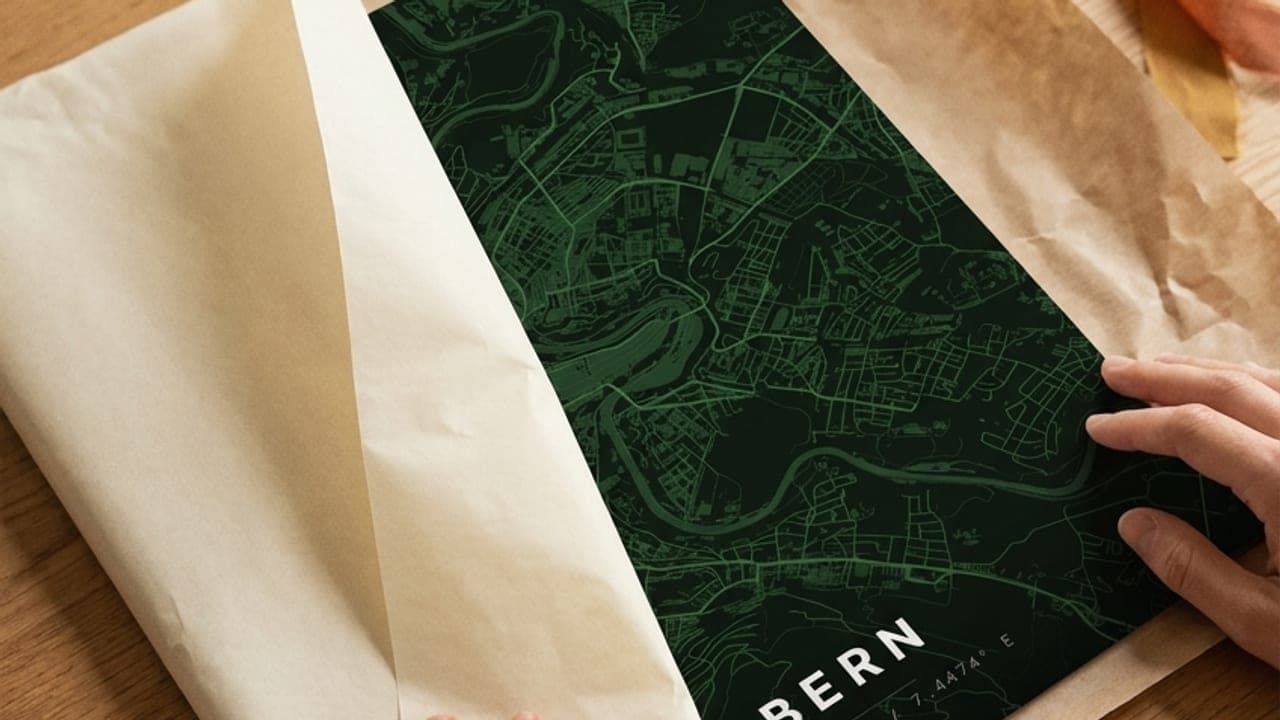
Ribbon off, eyes wide. A cartographic keepsake that earns a smile every single time the eye lands on it.
Magazine
Create your own map poster
Turn your favourite place into a one-of-a-kind piece of wall art.
Start designing